- (731) 423-8200
- 1877-284-3135


- Cardiac Service
Cardiac Catheterization
A minimally invasive procedure used to diagnose and treat heart conditions by guiding a thin tube into the heart through blood vessels.




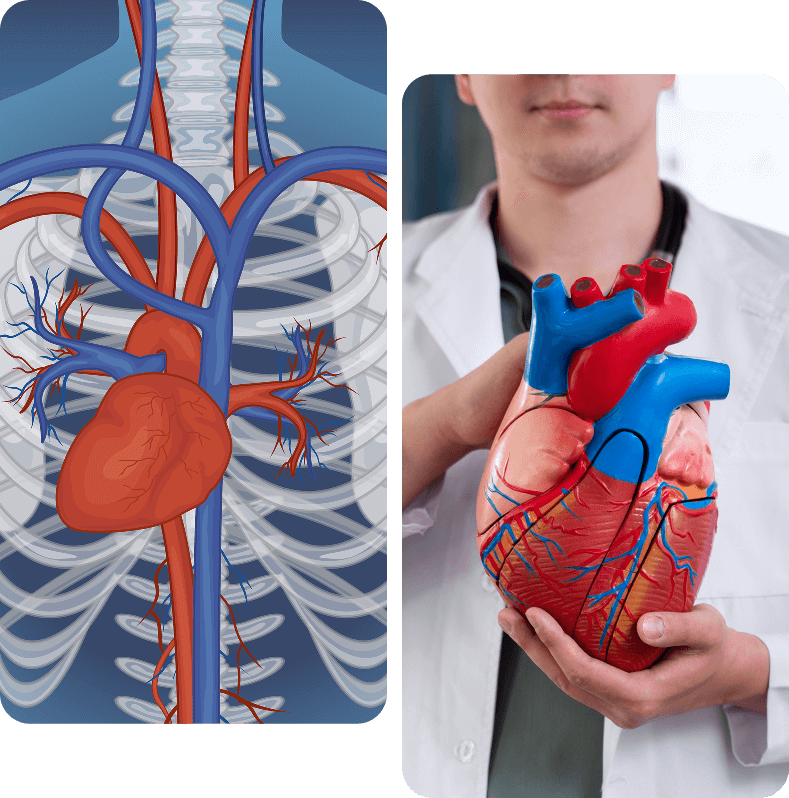
Catheterization
Cardiac Catheterization Through The Radial Artery An Alternative To The Femoral Approach
Cardiac catheterization is a minimally invasive procedure generally employed to diagnose and treat certain heart conditions. It involves threading a thin flexible tube through a blood vessel to the heart. Your doctor can perform diagnostic tests and some procedures on your heart with the help of the catheter. This procedure is typically performed through the groin or femoral artery. Because the femoral artery is larger and offers a direct route to the heart, it has become the dominant approach to cardiac catheterization. However, recently the use of radial artery for cardiac catheterization procedure has increased drastically. The radial artery approach is safer for patients as it is associated with less bleeding and fewer complications compared to the femoral approach.
Advantages
Advantages Of Radial Artery Catheterization
Radial artery catheterization offers several benefits such as:
- Minimal bleeding
- Less risk of nerve injury
- Lower rate of complications
- Faster recovery
- More comfortable for patient as they can move around immediately after their procedure instead of staying in the bed for several hours
Working Steps
Procedure
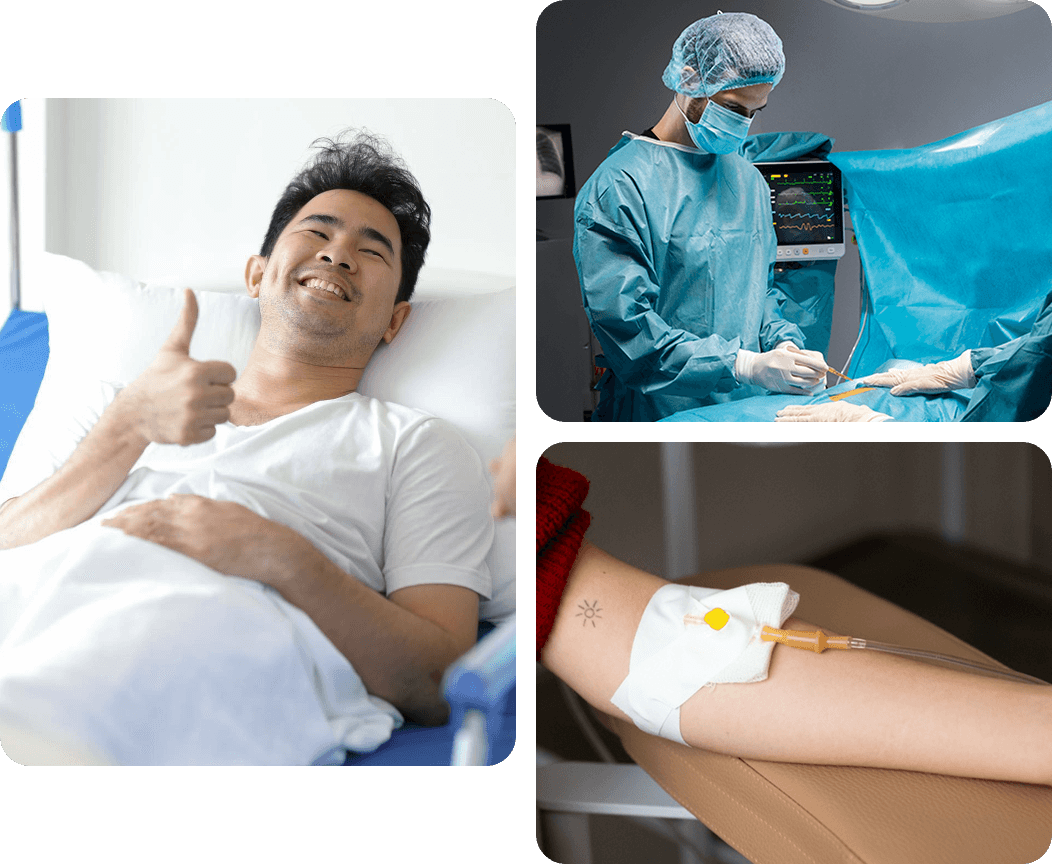
Before the procedure, the blood supply of the radial artery of the patient’s hand is assessed, through an Allen test. There are 2 arteries (radial artery and ulnar artery) that supply blood to the hand. The catheterization procedure is safe to proceed, only if both arteries are working properly. This approach is not appropriate for patients who are extremely thin or have small or twisted arteries.
The common steps involved in radial artery catheterization are as follows:
01
You will be asked to lie flat on the operating table and a medicine will be given to help you relax.
02
You will be asked to lie flat on the operating table and a medicine will be given to help you relax.
Medications are given through the tube to help relax the radial artery. This may cause a temporary burning sensation in the hand and arm.
04
A small tube (sheath) is inserted into the radial artery.
03
05
Blood thinners are also administered to help prevent the formation of blood clots within the artery.
06
Then the catheters are moved through the tube and guided to the heart.
If required a coronary angiogram and stent placement may be performed.
07
After the completion of the procedure, the catheters and tubes are removed from the radial artery.

Catheterization
Post-operative care
Patient is advised to wear a compression device on the wrist, usually for 2 hours following the procedure. Patients are able to sit up and eat after the procedure. Patients can resume their normal activities after 48 hours.
Common post-operative instructions after radial artery catheterization are as follow:
Common post-operative instructions after radial artery catheterization are as follow:
- Avoid placing any undue stress on the radial artery, to aid in
- Avoid lifting heavy weights with your hands.
Dangers
Risks
Radial artery catheterization is generally a very safe procedure. However, as with any medical procedure there are some risks and complications. Possible risks and complications associated with radial artery catheterization include:
- Although rare, spasm of the muscles lining the wall of the radial artery can occur.
Occlusion of the radial artery caused by blood clot formation within the artery may occur. This is usually harmless and may be prevented by using blood thinners
Additional Resources
Related Links
Explore trusted tools, guides, and links to support your Medicare and healthcare journey.